
Pinehurst Services Limited Pinehurst Services Limited
An organiser walking the empty delegate route through a glazed London conference foyer in daylight

Registered in England · 30.09.2024

About Pinehurst Services Limited

A UK-registered event organiser working with associations, show owners, and companies on congresses, trade exhibitions, and corporate business events.

The company registration number is 16037452. The registered address is 14 London Road, Calcot, Reading, England, and enquiries reach the team at [email protected].

Working hours are Monday to Friday, 9:00 AM – 6:00 PM. Most congress and exhibition activity sits in London, so the venue knowledge sits there too.

A UK organiser, registered and accountable

Pinehurst Services Limited is a registered company, not a trading name or a brokerage. That matters when you are committing an association's budget or a sponsor's money to an event. There is a legal entity behind the contract, with a registered address at 14 London Road, Calcot, Reading, England, and a company number that can be checked on the public register.

The company is deliberately lean: the people who take your brief are the people who run the event. You are not handed from a sales conversation into a delivery team you have never met. The same organiser who walks the venue with you on a site inspection is the one standing in the foyer on the morning the doors open.

Registration record

Company number
16037452
Registration date
30.09.2024
Registered address
14 London Road, Calcot, Reading, England
Enquiries
[email protected] · Monday to Friday, 9:00 AM – 6:00 PM

What the company organises

Three formats sit at the centre of the work. The overlap between them is bigger than it looks: registration, venue logistics, catering, technical production, and delegate flow appear in all three. What changes is the emphasis and the audience.

Congresses

Usually for associations, learned societies, and public-sector bodies, often with a programme committee, abstract submissions, and a sponsor or exhibitor element. The committee sets the content; the organiser carries the operational load around it.
Trade exhibitions

The floor plan, exhibitor operations, and sponsor packages are the core product here. Aisle widths, stand heights, service routes, and the order in which exhibitors build up all shape how the show feels to walk.

Corporate business events

Conferences, meetings, award ceremonies, and internal events run by marketing and operations teams who are organising alongside their normal work. Smaller on paper, often tighter on timing.

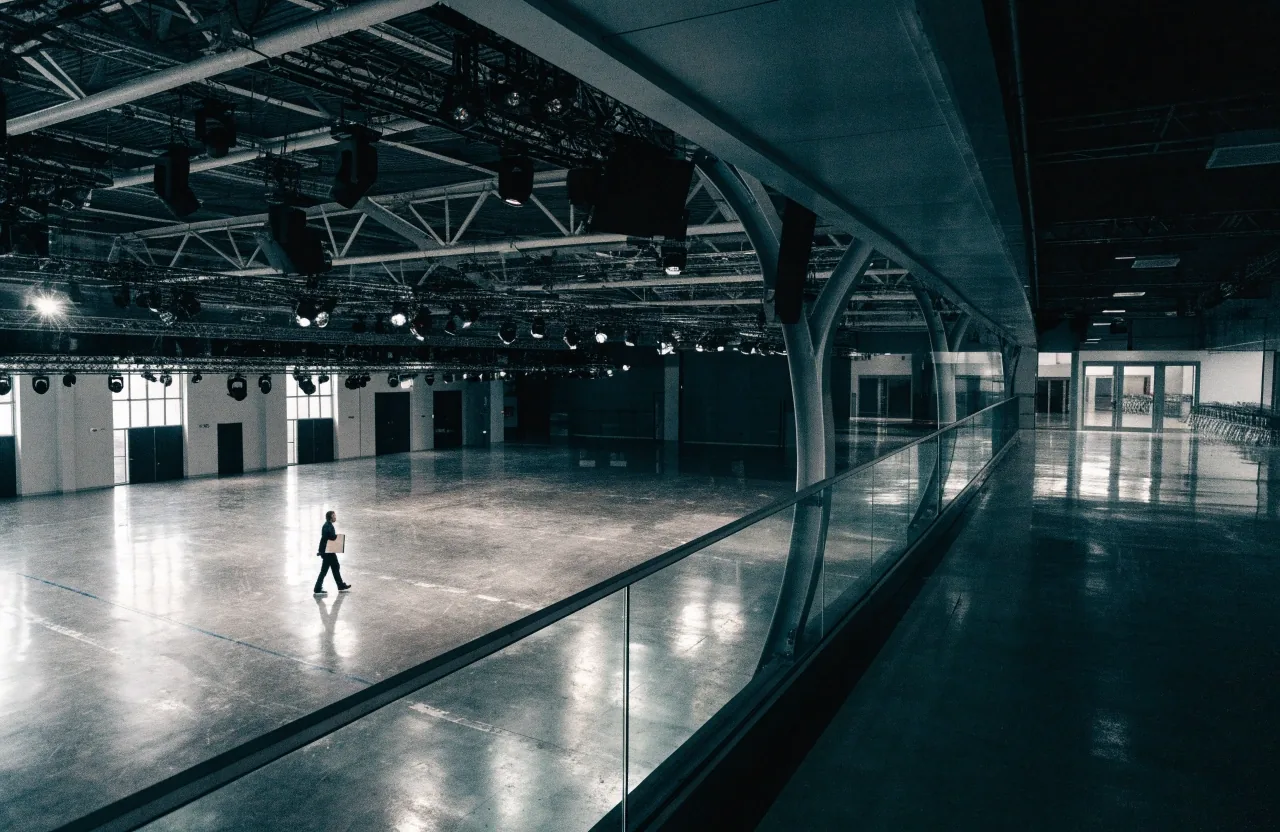
An empty London exhibition hall seen from a mezzanine walkway with one technician crossing the floor

Why the Reading base and the London focus

The registered address is in Calcot, on the western edge of Reading. That puts the company within reach of the M4 corridor, Heathrow, and central London by train — a practical position for an organiser working across UK venues.

Most congress and trade exhibition activity concentrates in London, so the venue knowledge sits there. That includes Canary Wharf meeting locations such as One Canada Square, hotel conference venues such as InterContinental London – The O2, and civic spaces such as City Hall at Royal Victoria Docks.

How a brief becomes an event

It starts with a conversation, not a form. Most clients arrive with a date window, an audience, and a rough idea of numbers, plus one or two fixed points such as a sponsor commitment or a board meeting that has to be scheduled inside the programme.

  1. Step one

    Venue brief and sourcing

    The date window, delegate numbers, and fixed points become a written venue brief. Options are sourced against it, site inspections are carried out, and a comparison is produced so the committee can decide on evidence rather than a brochure.

  2. Step two

    Confirmation and build

    Once a venue is confirmed, the work moves to floor plans, supplier coordination, and delegate registration. Catering, technical production, and exhibitor services are booked against the plan, not against memory.

  3. Step three

    On-site delivery

    Build-up, registration desks, delegate flow, and the running order are handled on the day. The organiser is on site for the parts that go wrong quietly if nobody is watching them.

  4. Step four

    Debrief and next cycle

    The post-event debrief closes the loop. What worked, what did not, and what to change before the next edition are written down while the event is still fresh.

Venue knowledge that goes beyond a directory

Anyone can list venues. The useful part is knowing how they behave under a real event. Which London venues handle a 3,000-delegate plenary without the foyer becoming a bottleneck. Which central spaces suit networking formats better than large halls. Which education-linked venues, such as London Conference Centre at One Bartholomew Close, fit an academic programme.

That knowledge comes from site inspections and from working with venue teams, not from brochures. It also means Pinehurst Services can tell a client when a venue is wrong for their format, which is often more valuable than a longer shortlist.

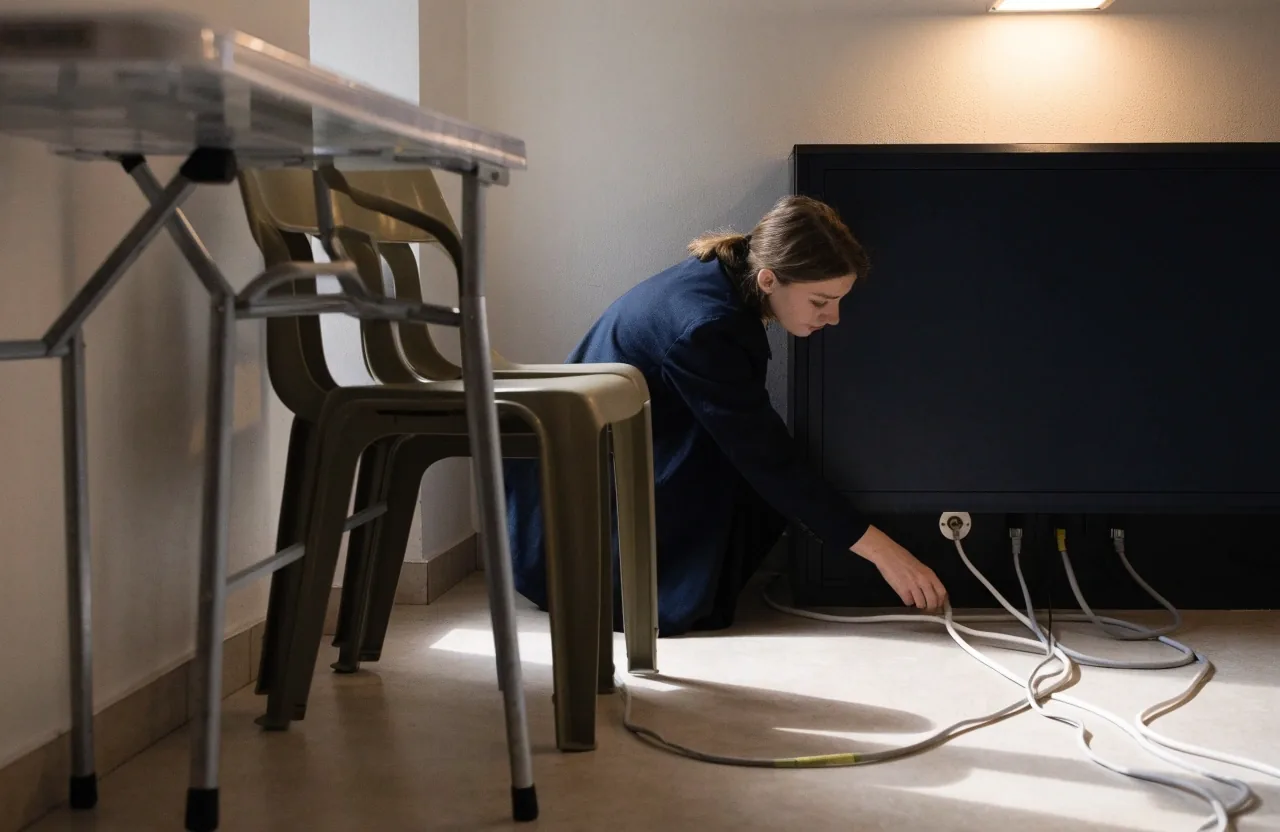
An organiser checking a cable run in a compact central London conference room before setup

The smaller venues matter too

Not every event needs a convention centre. Central London has a deep stock of compact venues that suit professional gatherings: The Form Rooms on Tower Street in the West End, exhibition-capable spaces such as 5 Cavendish Square, and repurposed civic buildings such as Kensington Conference and Events Centre on Hornton Street.

For a 120-person briefing or a networking-led evening, a smaller venue in an accessible location usually outperforms a large hall that feels half-empty. Matching format to space is part of the sourcing work, and it is often the difference between a room that carries a conversation and one that swallows it.

What gets weighed

  • Whether the room supports the format, not just the headcount.
  • Travel time from the nearest station and the walk from the door.
  • Foyer and breakout capacity against the busiest ten minutes of the day.
  • Access for build-up, deliveries, and exhibitor vehicles.
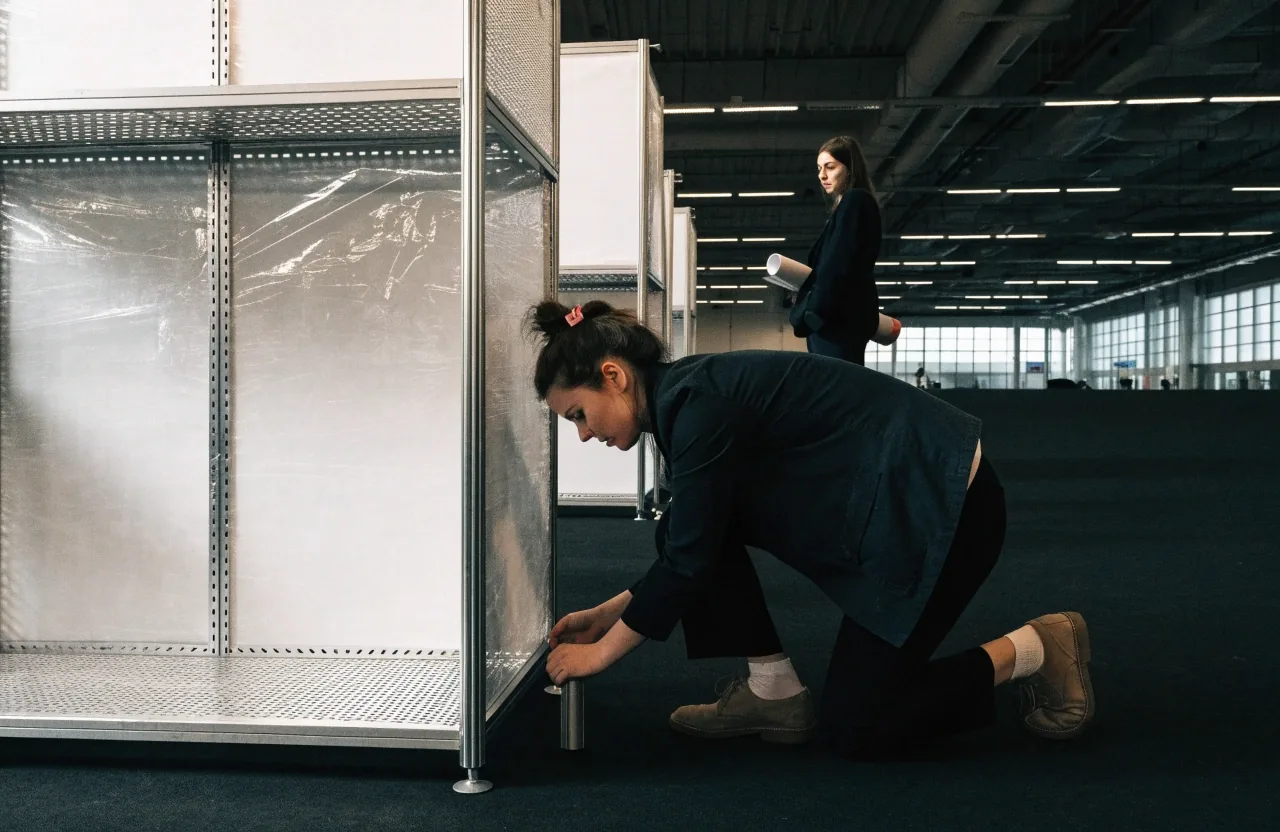
Organisers walking an unstaffed London exhibition floor before the doors open

Who Pinehurst Services works with

Association event committees, often made up of volunteers who have day jobs and need an organiser to carry the operational load. Show owners and exhibition teams who need exhibitor operations and floor planning handled. Marketing and operations teams inside companies who are running a conference or an award ceremony alongside their normal work.

In each case the client keeps control of the programme and the brand. Pinehurst Services handles the logistics, the venue relationship, and the parts of the process that are easy to underestimate until the week of the event.

How the company works day to day

Communication is direct. One point of contact, regular written updates, and a single working document that holds the venue comparison, the floor plan, the supplier list, and the running order. There is no account manager between you and the person doing the work.

Decisions get documented because event committees change and memories differ. If a venue is ruled out, the reason is written down. If a sponsor package is adjusted, the version history shows it. That discipline is what keeps a multi-month planning cycle from drifting, and it means a new committee member can pick up the file and understand where things stand.

What Pinehurst Services does not do

Not a ticketing agency

The company does not sell tickets, run a booking platform, or operate as a ticketing agency. Registration support is part of event management, but the commercial ticketing relationship stays with the client.

Not a venue or production house

The company does not present itself as a venue or a production house. It also does not publish awards, certifications, or membership badges it has not been given.

If you need a specific accreditation or insurance document for a venue contract, ask, and the company will confirm what it holds.

Questions clients ask before they brief us

Who actually runs our event?

The people who take the brief are the people who deliver the event. Pinehurst Services Limited is deliberately lean, so there is no handover from a sales team to a delivery team you have not met.

Do you work outside London?

Yes. The Reading base sits within reach of the M4 corridor and Heathrow, and the company works across UK venues. Most congress and trade exhibition activity concentrates in London, so the deepest venue knowledge sits there.

What should we prepare before the first conversation?

A date window, an idea of audience size, and any fixed points such as a sponsor commitment or a board meeting that has to sit inside the programme. Anything you already know about budget shape helps, but it is not a requirement for the first call.

Will you tell us if a venue is wrong for us?

Yes, and the reason is written into the comparison document. A shorter shortlist with clear reasoning is more useful to a committee than a long list of rooms that all look plausible on paper.

Tell us about the event you are planning

Send a date window, an audience size, and any fixed points, and the team will come back with what it would take to organise it. Enquiries reach [email protected], Monday to Friday, 9:00 AM – 6:00 PM.