
Pinehurst Services Limited
Congress organisation for UK associations
Programme, venue, delegate flow and debrief — planned as one job.
A congress is not a large conference. It usually carries a programme committee, an abstract or speaker process, an exhibitor or sponsor element, and delegates who have travelled and expect the logistics to work.
Pinehurst Services Limited organises congresses for associations, learned societies, and public-sector bodies across the UK, from the first brief through to the post-event debrief. We also organise trade exhibitions and corporate business events, and the same planning discipline runs through all three.
Where we work
Registered in Reading, working across London and the wider UK. Congress venues, civic halls, hotel-and-conference complexes, and university-linked centres are all in scope.
Monday to Friday, 9:00 AM – 6:00 PM.
What makes a congress different
Congresses run longer, often two to four days, and they carry more parallel activity: plenary sessions, breakouts, poster areas, an exhibition, catering across multiple breaks, and sometimes a social programme and an annual general meeting.
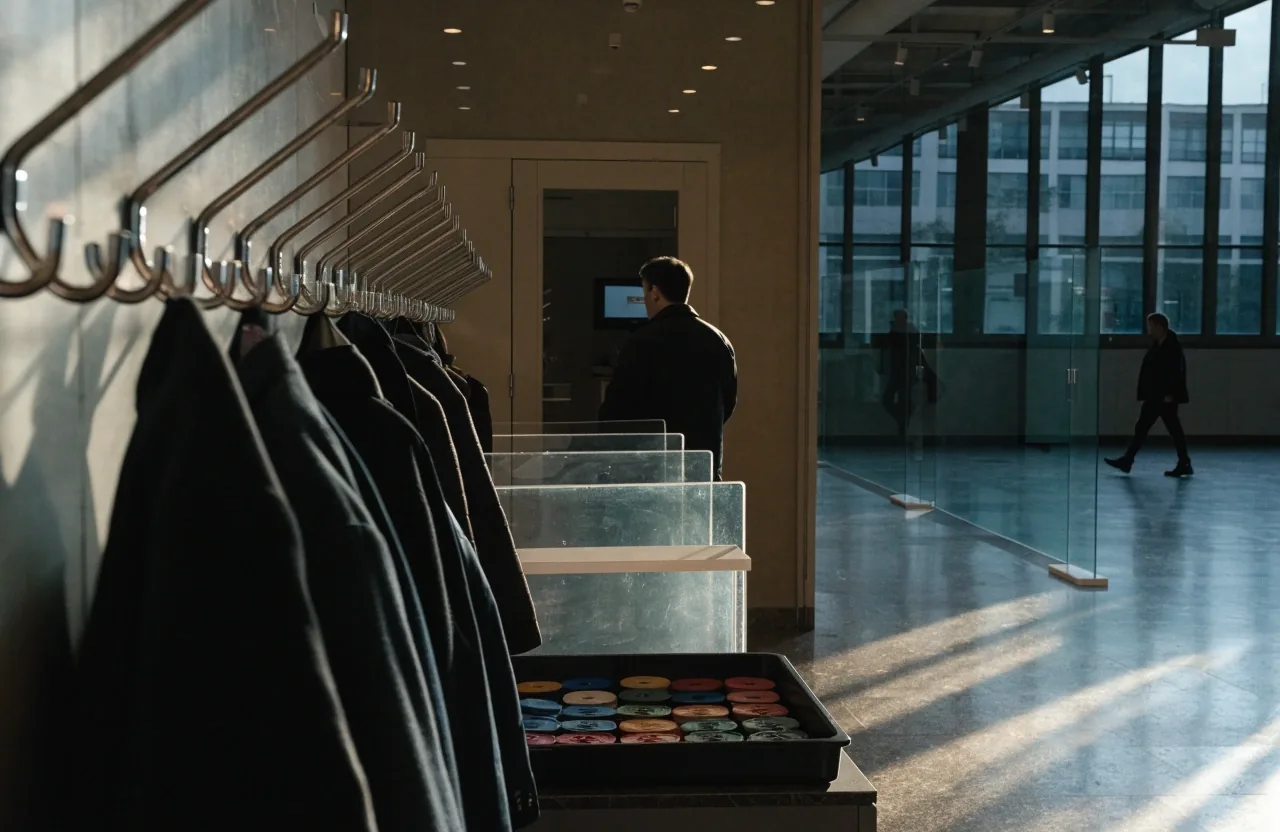
That complexity is why venue choice matters so much. A congress needs a main room large enough for the opening plenary, breakout rooms that can flex in size, exhibition or sponsor space that delegates actually walk through, and foyers that can absorb a coffee break without blocking the next session.
Plenary and breakout rooms
A main hall sized for the opening session, plus rooms that can be split or opened as the programme shifts across the day.
Catering across breaks
Break areas that clear before the next session starts, with enough stations that queues do not eat the changeover time.
Exhibition and posters
Space for stands and poster boards on a route delegates take anyway, rather than tucked into a side corridor.
Social programme and AGM
Evening events and formal business sessions placed so they add to the programme instead of competing with it.
Programme and committee support
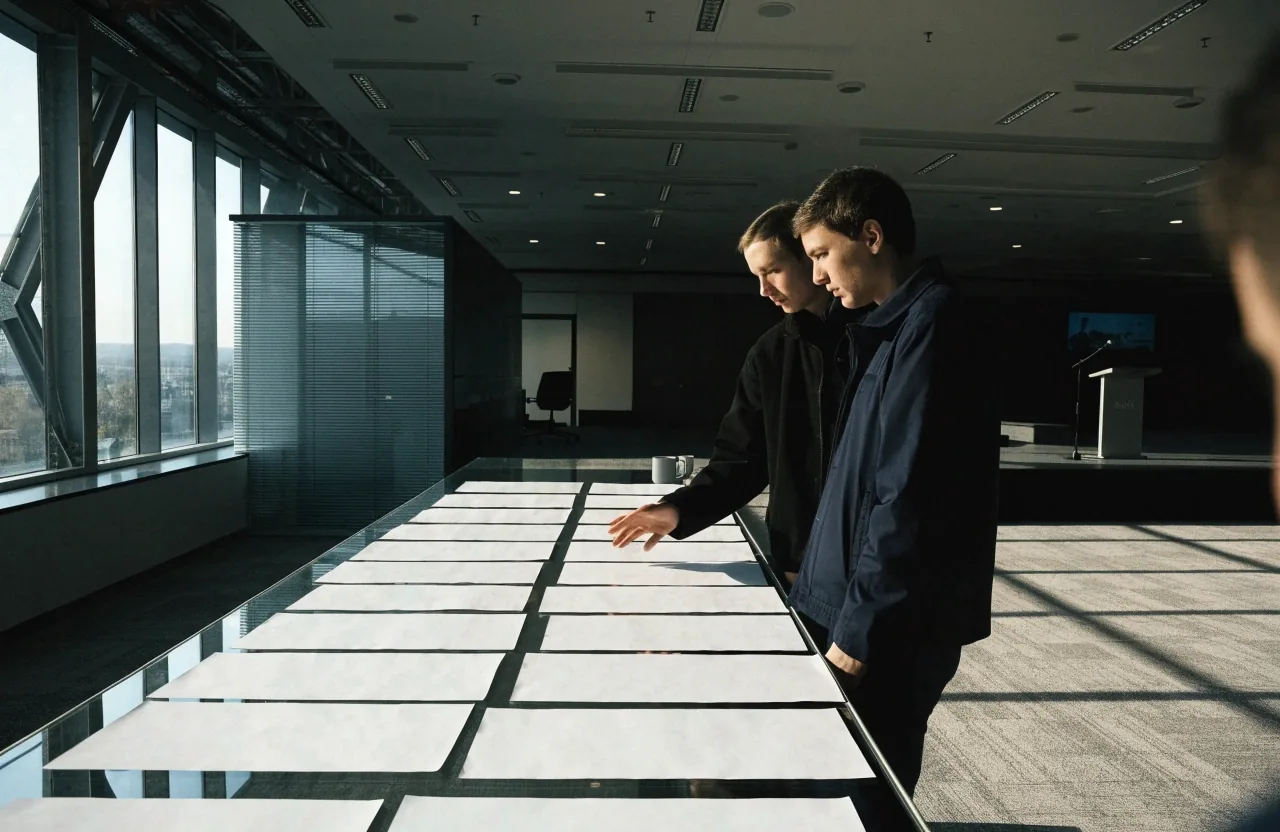
The programme belongs to the association. Pinehurst Services supports it: scheduling sessions against room capacity, building a running order that allows realistic changeover time, coordinating speaker requirements, and making sure the abstract or submission timeline lines up with the venue and registration deadlines.
Committee decisions often arrive in waves. The organiser's job is to keep a single working version of the programme so the committee can see the consequences of each change rather than debating from memory.
Venue sourcing for congresses
Congresses need scale plus flexibility. The right answer depends on the delegate profile, not on size alone — so the shortlist starts from who is travelling, what the programme needs room by room, and how the days fit together.
InterContinental London – The O2
Greenwich Peninsula
Hotel and venue in one complex: accommodation, purpose-built conference space, and a pillar-free ballroom.
City Hall
Royal Victoria Docks
A civic venue adapted for large meetings and training formats, with the presence public-sector delegates recognise.
London Conference Centre
One Bartholomew Close
Education-linked meeting rooms, associated with the University of Chicago Booth School of Business London campus, suited to professional and academic programmes.
We compare shortlisted venues on delegate flow, technical capacity and accessibility, not on headline size.
Site inspection: what gets checked
A congress inspection looks at delegate flow above everything else. Where does registration sit relative to the main entrance? Can 800 people leave a plenary and reach coffee without a crush? Is there a quiet room for speakers? Does the exhibition area sit on the natural route between sessions?
Findings go into a written comparison across the shortlisted venues, so the committee decides from evidence rather than from a walkthrough memory.
Flow and first hour
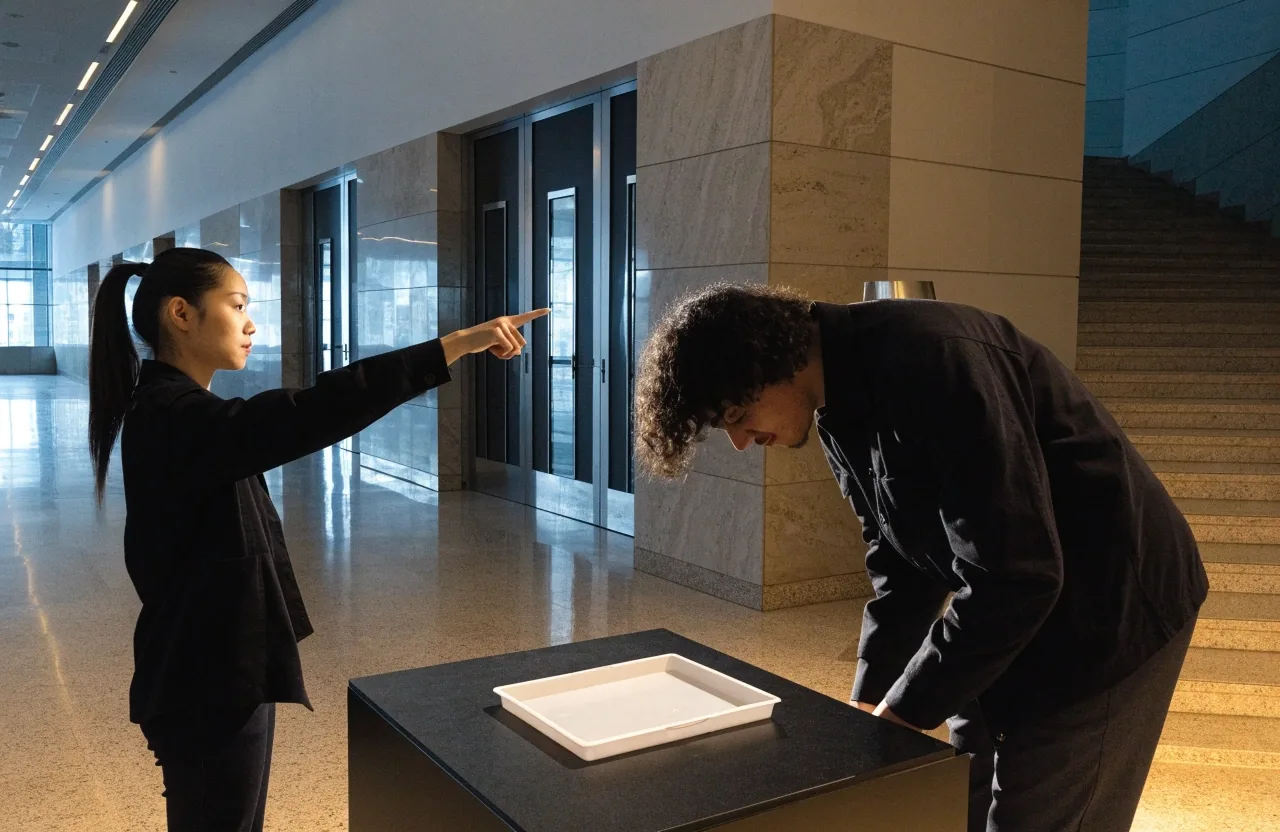
Registration position, entrance sightlines, badge collection, signage, accessibility routes, and a clear answer to where delegates go first.
Technical capacity
Stage dimensions, screen sightlines, audio coverage, power for exhibitors, internet capacity for a hybrid stream, and load-in access for build contractors.
Written comparison
Each shortlisted venue documented on the same points, so the trade-offs between them are visible before anything is booked.
Delegate experience and registration
Delegates judge a congress on a handful of things: how easy it was to register, whether the programme ran to time, whether the catering worked, whether the venue was reachable, and whether the sessions were worth the trip.
Registration flow is a planning item, not an afterthought. Badge collection, signage, accessibility routes, and a clear answer to where a delegate goes first shape the opening hour of the event. Pinehurst Services builds this into the venue plan rather than leaving it to on-site improvisation.
What delegates actually notice
- How long the queue was at badge collection on the first morning.
- Whether the programme started when it said it would, session after session.
- Whether a coffee break was reachable and cleared before the next session.
- Whether the venue was straightforward to get to from where they stayed.
- Whether the rooms, sound and sightlines made the sessions worth travelling for.
Hybrid and multi-day logistics
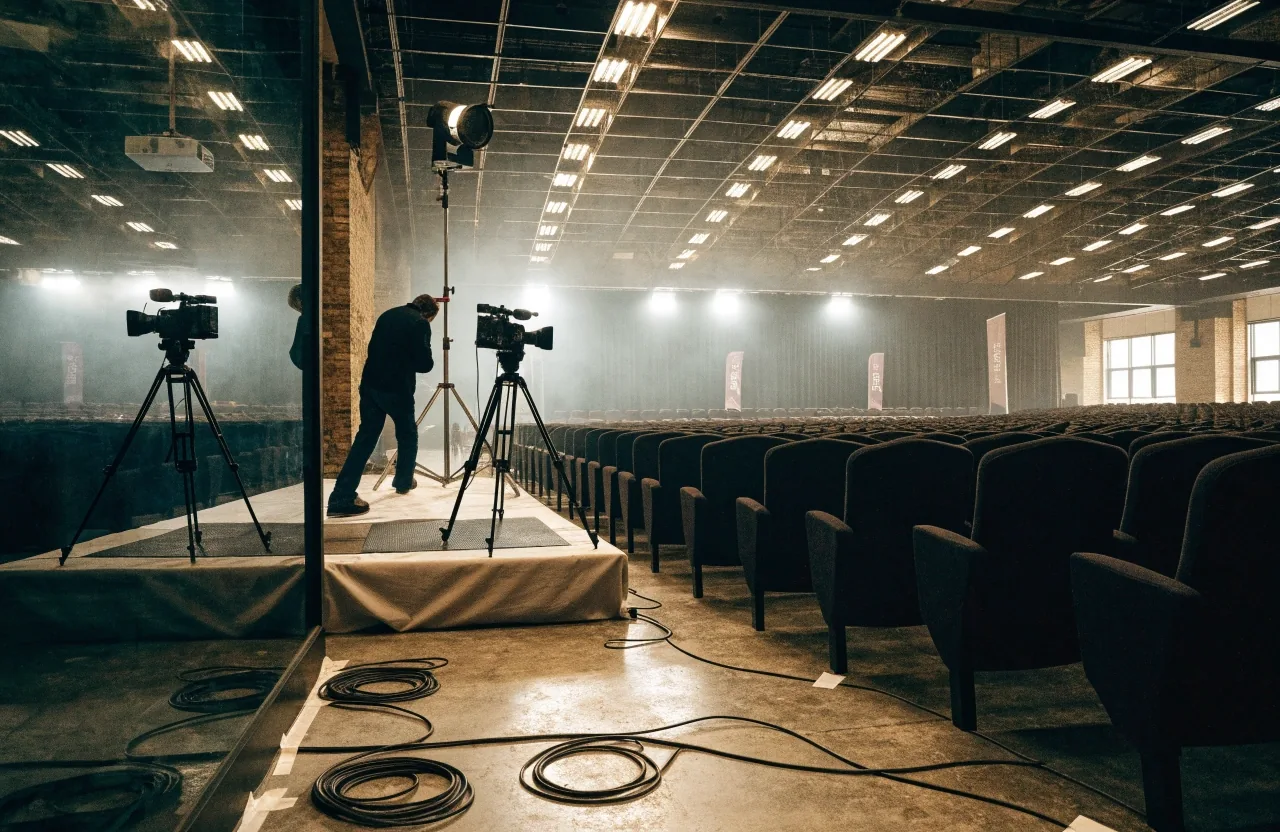
Hybrid changes the venue brief. Camera positions, lighting, audio pickup, and a resilient internet connection become hard requirements rather than nice-to-haves, and the room layout has to work for the people in the room and the people watching.
That usually means agreeing camera sightlines before seating is fixed, checking where a stream can run without cabling across a delegate route, and testing the connection during the build day rather than on the morning of the opening plenary.
Accommodation blocks
Room blocks held for delegates and speakers across the congress nights, with release dates that match the registration curve.
Transport between venues
Where a congress uses more than one building, routes and timings are planned around the programme, not the other way round.
Social programme
Evening events placed so delegates still arrive fresh for the next morning's sessions. Integrated hotel-and-venue complexes simplify this by keeping people in one place.
Sponsors and exhibitors inside a congress
Most congresses carry an exhibition or sponsor element, even when it is not the headline activity. That means floor space, stand allocations, sponsor package placement, and load-in scheduling alongside the programme.
The sponsor packages that work are the ones tied to delegate movement: coffee areas, poster sessions, the route between the plenary and the breakouts. Pinehurst Services plans sponsor placement around those routes rather than around whatever space is left over.
Step 1
Arrival and registration
The first stand a delegate passes, kept clear of the badge queue so neither blocks the other.
Step 2
Coffee and catering areas
Break space where delegates already stop, so sponsor presence sits inside a natural pause in the day.
Step 3
Poster and exhibition floor
Stands and poster boards on the route between the plenary and the breakout rooms, with load-in scheduled around session times.
Step 4
Breakout route
Placement that keeps working on day three, when delegate movement settles into its real pattern.
Accessibility and inclusion
Accessibility is a venue question and a planning question. Step-free routes, accessible toilets, hearing loops, seating for delegates with mobility needs, and clear information before the event all need to be confirmed at inspection stage.
It is much harder to fix these things a week before the event. Building them into the venue comparison means the committee can weigh accessibility against other factors while there is still a choice to make.
After the event: the debrief
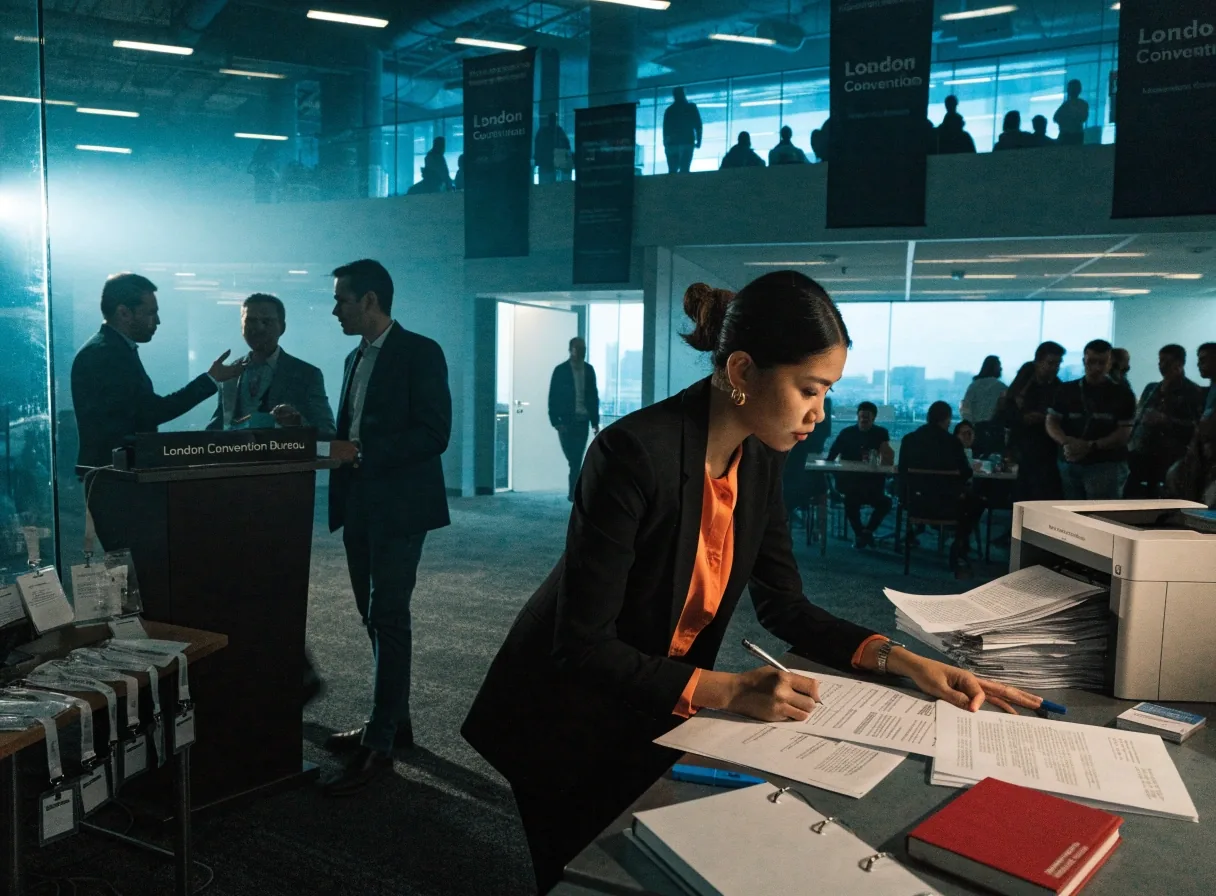
The debrief is a short written review: what worked, what did not, what the venue handled well, and what to change next cycle. It covers attendance patterns, session timings, catering, technical issues, and delegate feedback.
For associations running a recurring congress, this document is the starting point for the next one. It is also the point at which Pinehurst Services can hand over cleanly if the committee wants to take the next cycle elsewhere.
What the review covers
Attendance patterns, session timings, catering performance, technical issues, and the feedback delegates gave during and after the event.
How it gets used
As the brief for the next cycle, or as a clean handover document if the association takes the following congress to another organiser.
Questions associations ask
If your question is not here, put it in the brief and we will answer it directly.
How far in advance should a congress be planned?
For a major UK congress, 12 to 18 months is a practical window, particularly if you need a specific London venue in a peak month. Smaller congresses can come together faster, but speaker and sponsor cycles usually set the real timeline.
Can you work with our programme committee?
Yes. The programme stays with the association. Pinehurst Services supports it by scheduling sessions against room capacity, coordinating speaker requirements, and keeping one working version of the programme as committee decisions change.
Do you handle the exhibition inside a congress?
Yes. Floor space, stand allocation, sponsor package placement, and load-in scheduling are part of the congress plan, positioned around delegate movement between sessions.
Planning a congress for the next cycle?
Send the programme outline, expected delegate numbers and preferred months. We will come back with a venue comparison and a realistic timeline.
Pinehurst Services Limited
Pinehurst Services Limited organises congresses, trade exhibitions, and corporate business events. This page covers congress organisation; the same team runs exhibitions and corporate programmes.
Registered office
14 London Road, Calcot, Reading, England
Company registration number 16037452, registered 30.09.2024.
Email [email protected] · Phone +44 20 7976 8454
Monday to Friday, 9:00 AM – 6:00 PM.