

Registered in England 16037452
Venue sourcing and site inspections across the UK
Pinehurst Services Limited compares conference centres, exhibition halls, hotel venues and civic spaces, then walks each shortlisted room before anything is booked.
What venue sourcing actually involves
Venue sourcing is a comparison exercise, not a search. The question is not which venues exist in London or Manchester, but which of them will work for this event, with this audience, on this date, at a cost the budget can carry. That reframing changes what the work looks like from day one.
The brief comes first: format, delegate number range, date window, location preference, catering expectations, accessibility requirements, and whether the programme needs hybrid capability. Every venue that cannot meet a hard requirement is ruled out early, which keeps the comparison focused on realistic options instead of a long list nobody can decide between.
From there Pinehurst Services Limited builds a shortlist against those constraints rather than against a directory. Trade exhibitions, congresses and corporate business events all produce different hard requirements, and the sourcing brief records which of them are fixed and which can flex. A date that can move by a week often unlocks a room that was unavailable on the original ask.
From brief to shortlist
Format and delegate numbers set the floor area. Catering expectations and accessibility requirements narrow the field further. What survives that filter is what gets compared.
Pinehurst organises congresses, trade exhibitions and corporate business events, and the sourcing brief is written with that programme in mind rather than as a generic request for availability.
Conference centres, hotels, and civic venues
The three main categories behave differently, and the category is usually decided before individual venues are compared. Dedicated conference centres are built for meetings: flexible rooms, reliable AV infrastructure, and layouts that reconfigure without drama.
Hotel venues add accommodation, which matters for multi-day events, and often combine a ballroom with breakout space. Civic venues are the third category, and they are frequently the most interesting. City Hall at One Siemens Brothers Way, Royal Victoria Docks, is listed as a conference centre and is also used for exhibitions and training. Repurposed civic buildings such as Kensington Conference and Events Centre at Hornton Street show how London reuses town halls for modern formats.
Knowing which category suits a programme prevents the most common sourcing mistake: chasing a well-known address that was never built for the event being planned.
Hotel venue or dedicated conference centre?
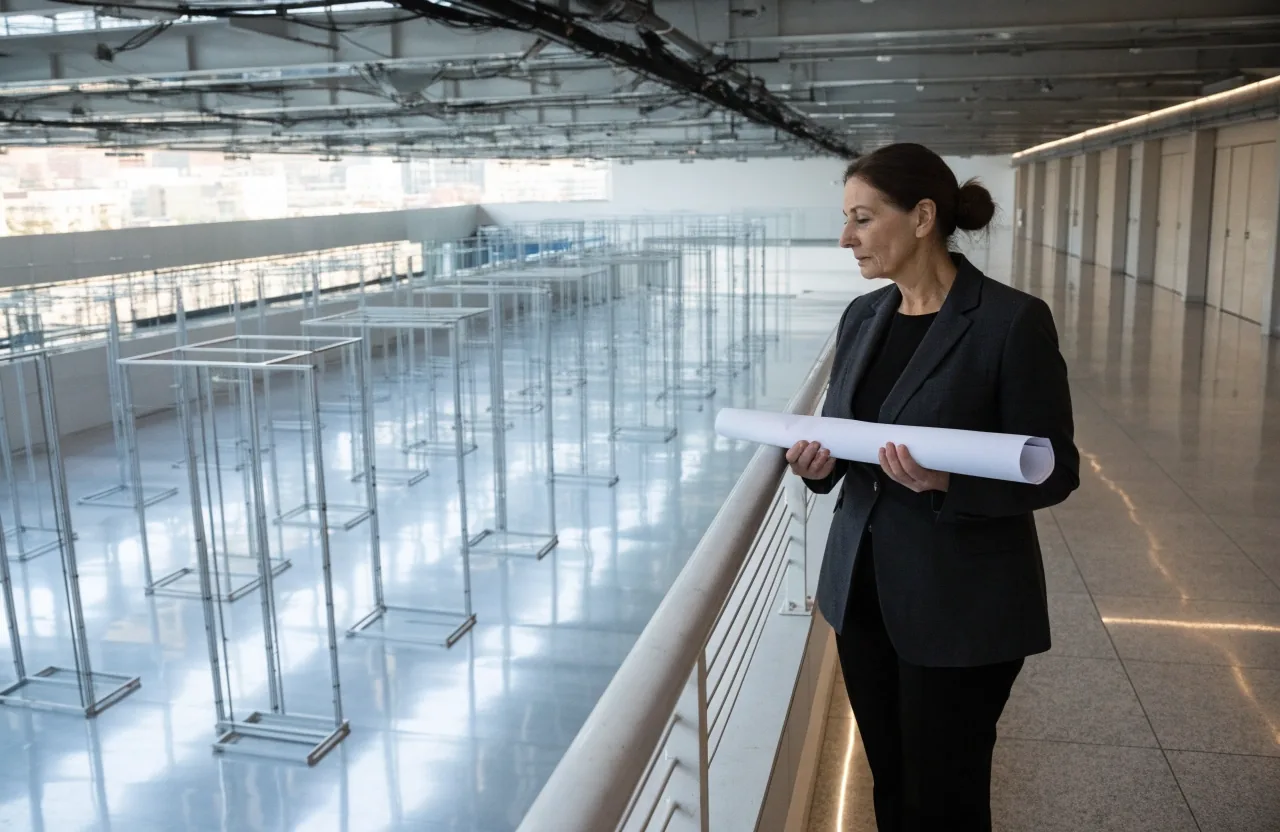
A hotel venue simplifies logistics. Delegates stay on site, the evening programme is a short walk away, and the accommodation block sits alongside the meeting space. InterContinental London – The O2 on Greenwich Peninsula is a clear example: a hotel and purpose-built conference venue with a large pillar-free ballroom and capacity advertised for over 3,000 delegates. For an international congress with a heavy social programme, that combination removes a lot of transfer time from the schedule.
A dedicated conference centre usually wins on room quality and flexibility. London Conference Centre at One Bartholomew Close, associated with the University of Chicago Booth School of Business London campus, has meeting rooms and capacity advertised for up to 340 attendees. That suits professional and academic programmes where the room setup matters more than the hotel — good sightlines, controllable light, and breakout rooms close to the main session.
How the choice usually falls
Multi-day programme with international delegates: hotel venue, because accommodation and evening events stay in one place.
Single-track professional or academic day where the room carries the event: dedicated conference centre.
Mixed programme with a trade exhibition attached: often both, with the exhibition in a separate hall and the congress in the hotel.
Compact central venues and when they win
Smaller venues are often the better choice. A networking-led gathering for 120 people works better in a central space that feels full than in a large hall that feels empty, and the atmosphere carries the event further than the floor area does.
The Form Rooms at 22 Tower Street in the West End is a good example of a compact central venue used for networking and professional gatherings, where the location does the heavy lifting on attendance. Exhibition-capable central spaces such as 5 Cavendish Square serve a similar purpose for smaller professional shows that need a central address rather than a large footprint.
Compact venues are also quicker to inspect and quicker to re-plan, which matters when a programme is still settling its numbers.

High-floor and executive meeting venues
Some briefs are about setting rather than capacity. Executive meetings, board sessions and client briefings often want a location that signals the occasion and is easy to reach from more than one direction.
One Canada Square in Canary Wharf, listed at Level 33, 25 Canada Square, is typical of high-floor corporate meeting venues in a major business district. The draw is the address and the transport links as much as the room itself. When the room is small, the building and the arrival experience do part of the work.
Site inspection: the checklist
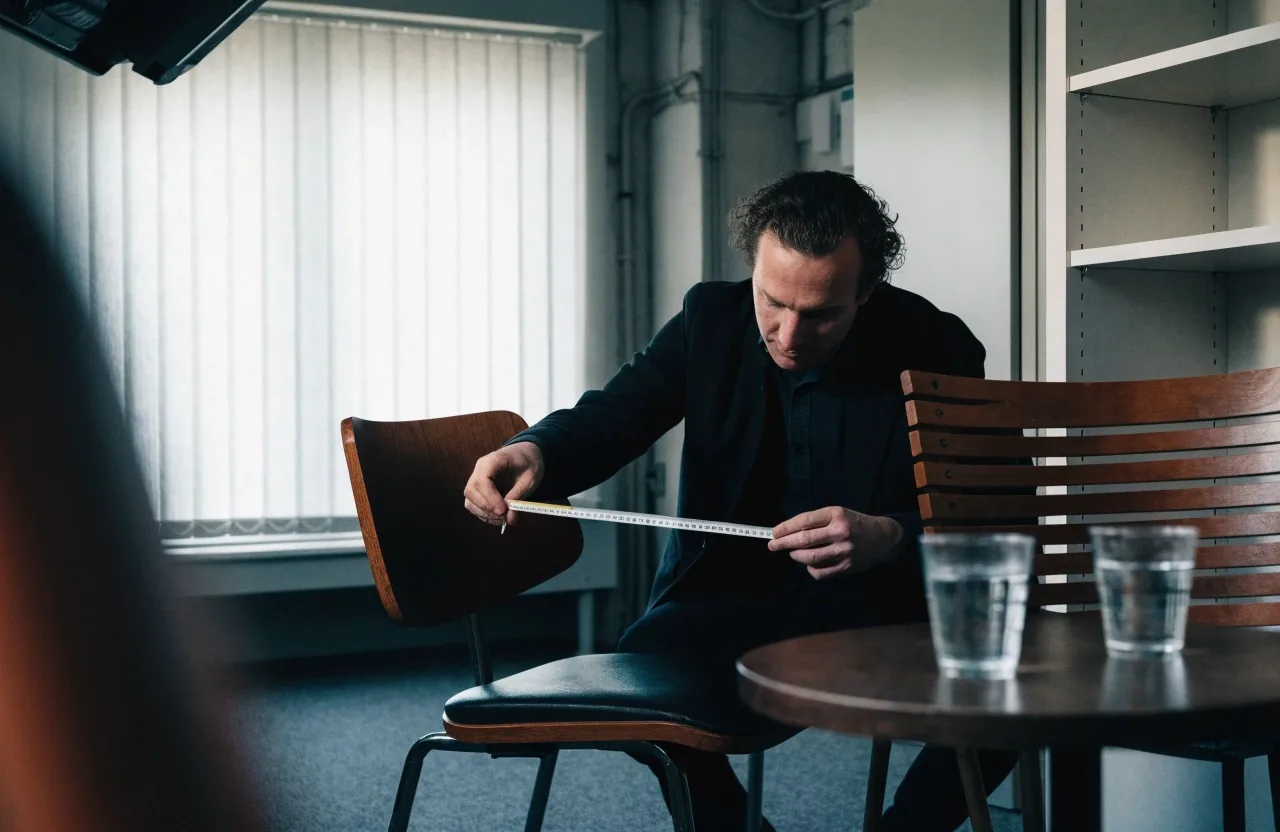
An inspection is a working visit, not a viewing. Pinehurst walks the room with the programme in hand and measures what the brochure leaves out. Photographs, measurements and notes go into the written comparison, so two venues that look similar in a brochure usually turn out to be quite different once the event layout is drawn on the floor.
The checklist below is the one used on site inspections across the UK. It is deliberately practical: each line exists because it has changed a venue decision at some point.
- Room dimensions and ceiling heights — against the floor plan, not the venue sheet.
- Door widths and load-in access — whether the largest exhibit or stand component physically fits through.
- Floor loading and power capacity — the limit for exhibitors with heavy stands or equipment.
- Stage and screen sightlines — checked from the back row, not from the front.
- Audio coverage — where the speakers sit and which parts of the room go dead.
- Catering kitchen capacity and service routes — including where the queues would form.
- Accessible routes and toilets — measured from the main entrance, not assumed.
- Internet resilience — for any streamed or hybrid element of the programme.
Notes from the visit are shared with the client, so the decision rests on measurements and photographs rather than on memory.
Floor plans and capacity checks
The floor plan is where the venue choice becomes concrete. Seating styles change capacity dramatically: theatre, cabaret and dinner layouts produce very different numbers in the same room, and a figure quoted on a venue website rarely says which layout it refers to.
Pinehurst Services draws the plan against the actual programme, including registration, catering points, exhibition or sponsor space, and circulation routes. Capacity figures from a venue website are a starting point, not an answer. A room advertised for 340 people in theatre style may hold far fewer once registration desks, a catering point and an exhibition corner are drawn in.
What the drawn plan settles
Where delegates enter and queue, how the catering point sits against the session times, whether the exhibition or sponsor area blocks a fire route, and how many people can actually sit facing the stage. Those four answers usually decide between the last two venues on a shortlist.
Access, transport, and delegate travel
For London venues, transport links often decide the shortlist. A venue near a major rail terminus or on a direct Underground line reduces delegate friction, and that shows up in attendance.
Pinehurst factors access into the shortlist rather than treating it as a tiebreaker, and checks the practical details on the inspection: walking distance from the station, taxi drop-off, coach access, and whether the entrance is obvious on arrival. An address that looks central on a page can still mean a fifteen-minute walk with no signage at the end of it.

How London venue discovery works
London has a deep venue stock and a well-organised promotion structure. The London Convention Bureau promotes the city for conferences, meetings and events, lists major venues, and connects organisers with venue options and city infrastructure.
That ecosystem is useful for discovery, particularly for international clients unfamiliar with the city. It does not replace the inspection. A bureau listing tells you a venue exists; only a site visit tells you whether it suits the event. Both steps belong in the process, in that order.
What discovery gives you
A long list of venues by area and format, useful when a client is new to the city and needs to understand the geography before choosing.
A sense of what each district offers for transport, hotels and evening venues, which shapes the date and the programme as much as the room does.
Cost, availability, and booking windows
Venue cost is driven by date, demand and what is included. Catering minimums, AV charges and rigging costs often change the comparison more than the headline room hire figure, which is why the shortlist is compared on total cost for the programme rather than on the day rate alone.
Availability in London tightens around peak months and major trade show periods. For large congresses and exhibitions, a 12 to 18 month booking window is realistic. Smaller corporate events can often be placed in three to six months, depending on flexibility on dates. Where dates can move, saying so early in the sourcing brief usually widens the realistic shortlist considerably.
Typical booking windows in London
Large congress or exhibition
Twelve to eighteen months ahead, particularly for peak months and periods that clash with major trade shows.
Smaller corporate event
Three to six months is often workable, depending on how flexible the dates are and how specific the format is.
Costs that move the total
Catering minimums, AV charges and rigging costs are compared alongside room hire, not after it, because they often decide the outcome.
Questions we are asked about venue sourcing
Three questions come up in almost every venue conversation. The answers below are the ones given on the first call.
How many venues do you typically shortlist?
Usually two to four realistic options. A longer list tends to slow the decision without adding much, because most venues are ruled out by one hard requirement such as capacity, load-in access, or date availability.
Do you charge for venue sourcing on its own?
Venue sourcing can be scoped as a standalone piece of work or as part of a full event management brief. Send the details and Pinehurst Services will confirm the scope.
Can you inspect a venue we have already chosen?
Yes. An inspection of a confirmed venue is useful for confirming the floor plan, technical requirements, catering routes and load-in arrangements before contracts are finalised.
Where to go next
Sourcing sits inside a wider programme. The planning process page shows how venue choice feeds into production, registration and delivery.
Send your venue brief
Tell us the format, the delegate range, the date window and the city. Pinehurst Services Limited will come back with a venue comparison and, where it helps, a site inspection before anything is booked. Enquiries are answered Monday to Friday, 9:00 AM – 6:00 PM.
Pinehurst Services Limited organises congresses, trade exhibitions and corporate business events.
Company registration number 16037452, registered 30.09.2024.
14 London Road, Calcot, Reading, England
Email [email protected]
Monday to Friday, 9:00 AM – 6:00 PM